




Why Sheep Casing Breaks During Stuffing — Causes & Fixes
One of the most common problems sausage manufacturers face is sheep casing breaking during stuffing. Broken casings slow production, waste meat, increase labor costs, and reduce product quality. If you are using natural sheep casings (18/20, 20/22, etc.), this guide will help you understand:
2/15/20262 min read
Why Sheep Casing Breaks During Stuffing — Causes & Fixes
One of the most common problems sausage manufacturers face is sheep casing breaking during stuffing.
Broken casings slow production, waste meat, increase labor costs, and reduce product quality.
If you are using natural sheep casings (18/20, 20/22, etc.), this guide will help you understand:
Why breakage happens
How to fix it
How to prevent it permanently
🔎 Main Reasons Sheep Casings Break
1️⃣ Insufficient Soaking
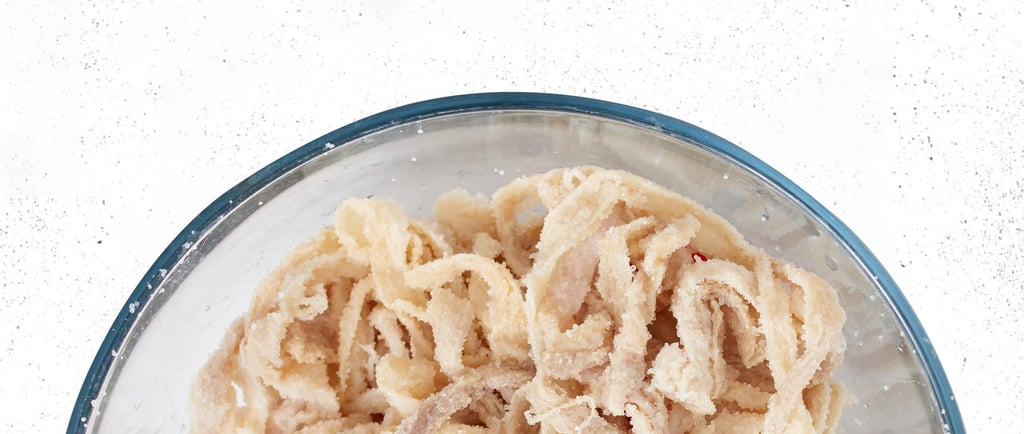
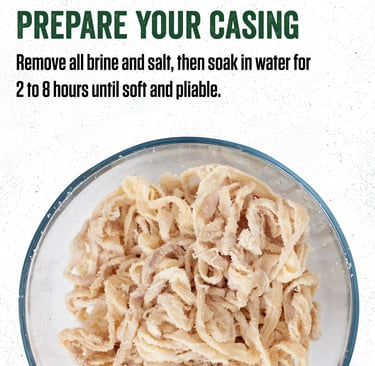
Natural sheep casings are preserved in salt. If they are not properly soaked:
They remain stiff
They lose elasticity
They tear easily during stuffing
✅ Fix:
Soak in lukewarm water (30–35°C) for 30–60 minutes
Flush water through the inside before stuffing
Do not use hot water (it weakens structure)
Proper hydration restores elasticity and reduces breakage.
2️⃣ Overstuffing (Too Much Pressure)
One of the biggest causes is excessive stuffing pressure.
Signs:
Casing stretches too tight
Sausages look overly firm
Immediate splitting during linking
✅ Fix:
Reduce stuffing pressure
Adjust machine speed
Allow slight flexibility (do not make sausages rock-hard)
Remember: Natural casings need slight flexibility to maintain strength.
3️⃣ Wrong Caliber for the Filling Tube
Using the wrong stuffing horn size causes friction and tearing.
Example:
18/20 casing on oversized tube → overstretching
Too small tube → excessive tension
✅ Fix:
Match horn size with casing caliber:
18/20 → small diameter tube
20/22 → medium tube
Proper equipment matching prevents stress damage.
4️⃣ Poor Quality Casings
Low-grade casings may have:
Thin weak spots
Inconsistent diameter
Poor cleaning process
Quality grading matters (AB Mix, IA, etc.).
Reliable suppliers are critical. Large processors such as Johnsonville use strict quality standards for casing consistency.
✅ Fix:
Source from reputable exporter
Request uniform caliber grading
Inspect before production
5️⃣ Dry Environment During Production
If casings dry out during stuffing:
Surface becomes brittle
Elasticity decreases
Breakage increases
✅ Fix:
Keep casings covered in water until use
Maintain humidity in production room
Avoid long exposure to air
6️⃣ High-Speed Stuffing Without Adjustment
Industrial production lines may run too fast for natural casings.
Natural casings behave differently than synthetic ones.
Synthetic casings can handle high-speed automation better, but natural casings require fine adjustment.
Companies like Tyson Foods often adjust machine settings depending on casing type.
✅ Fix:
Reduce RPM
Adjust vacuum levels
Calibrate pressure for natural casings
⚙️ Quick Troubleshooting Table
ProblemLikely CauseSolutionImmediate tearingDry casingSoak longerBursting during linkingOverstuffingReduce pressureSplitting at one spotWeak casingImprove supplierFrequent random breaksHigh machine speedSlow stuffing
💡 Pro Tips to Prevent Breakage
✔ Always pre-flush inside casing
✔ Use correct stuffing horn
✔ Maintain moderate pressure
✔ Keep casings hydrated
✔ Store properly (2–8°C, fully salted)
✔ Work with consistent quality supplier
Why Prevention Matters
Casing breakage can:
Increase meat waste
Slow production
Reduce yield
Damage brand reputation
For USA meat processors, consistent casing performance ensures:
Production efficiency
Better product appearance
Higher customer satisfaction
Final Thoughts
Sheep casing breakage during stuffing is usually caused by:
Improper soaking
Excessive pressure
Wrong equipment
Low-quality supply
With correct handling and proper supplier selection, natural sheep casings perform reliably and provide the premium snap and texture that consumers prefer.
info@aquabcasing.com
+923057608848
88/51C , Street 15 Usmanabad, Multan Pakistan
All Right Reserved by Aquab Casing @ 2023
Contact Us!