




Natural vs. Synthetic Casing: Which Is Better for Sausage Texture?
Natural vs. Synthetic Casings: Which Is Better for Sausage Texture and Taste?
2/15/20262 min read
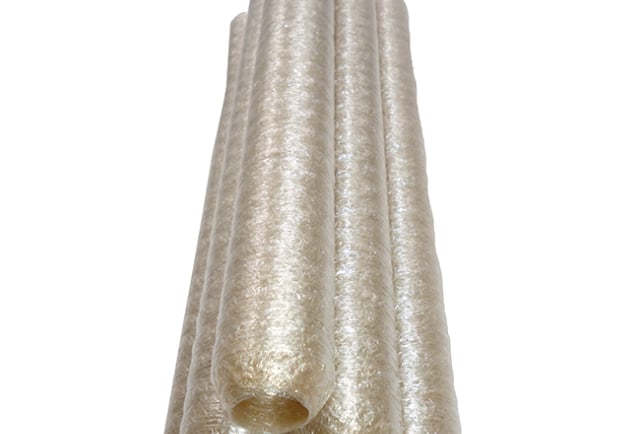
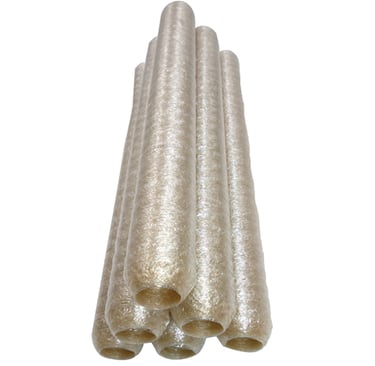
Natural vs. Synthetic Casing: Which Is Better for Sausage Texture?
When producing high-quality sausages, one major decision affects the final eating experience:
Should you use natural casings or synthetic casings?
For sausage manufacturers, butchers, and food brands in the USA, casing choice directly impacts:
Texture
Snap
Bite resistance
Appearance
Production efficiency
Let’s compare both options in detail.
What Are Natural Casings?
Natural casings are made from cleaned and processed animal intestines, commonly:
Sheep (for smaller sausages)
Hog (for medium sausages)
Beef (for larger sausages)
Natural sheep casings are especially popular for:
Breakfast sausages
Snack sticks
Premium fresh sausages
They are edible and provide the traditional sausage experience.
What Are Synthetic Casings?
Synthetic casings include:
Collagen casings (made from processed animal collagen)
Cellulose casings (plant-based, usually removed after cooking)
Plastic casings (non-edible, used for processed meats)
They are manufactured for uniform size and high-speed production.
🔥 Texture Comparison: Natural vs. Synthetic
1️⃣ The “Snap” Factor
The “snap” is the slight resistance and pop you feel when biting into a sausage.
Natural Casings:
✔ Strong, authentic snap
✔ Elastic and tender
✔ Traditional mouthfeel
Natural sheep casings are known for their premium bite quality.
Synthetic Casings:
✔ More uniform texture
✔ Less elastic
✔ Collagen has mild snap
✖ Plastic has no snap
If texture is your priority, natural casings usually win.
2️⃣ Bite & Mouthfeel
Natural:
Thin and delicate
Slightly uneven (natural look)
Feels traditional and artisanal
Synthetic:
Very uniform
Slightly firmer
Can feel more artificial
High-end butchers and gourmet brands prefer natural for this reason.
3️⃣ Cooking Performance
Natural Casings:
Shrink naturally with meat
Allow smoke penetration
Ideal for grilling and smoking
Collagen Casings:
Good for consistent sizing
Suitable for high-speed stuffing
May split under high heat
Cellulose:
Removed after cooking
Used mainly for hot dogs
4️⃣ Production Efficiency
Where synthetic casings perform better:
✔ High-speed automated stuffing
✔ Perfect size consistency
✔ Lower breakage in industrial plants
Natural casings require:
Soaking
Rinsing
More careful handling
Large companies like Tyson Foods may use synthetic options for some product lines due to efficiency.
However, premium brands such as Johnsonville still use natural casings for specific products where texture matters.
5️⃣ Consumer Preference in USA Market
USA consumers increasingly prefer:
Natural ingredients
Clean-label products
Traditional texture
This makes natural sheep casings highly attractive for:
Artisanal brands
Halal sausage production
Premium retail lines
Quick Comparison Table
FeatureNatural CasingsSynthetic CasingsTextureAuthentic & elasticUniform but less naturalSnapStrongMild to noneAppearanceNatural lookPerfectly uniformProduction SpeedModerateHigh-speedCostSlightly higherMore predictable
Which Is Better for Sausage Texture?
If your goal is:
🥇 Premium bite
🥇 Traditional snap
🥇 Gourmet quality
🥇 Better grill performance
👉 Natural casings are better.
If your goal is:
⚙ Mass production
⚙ High-speed automation
⚙ Uniform size
👉 Synthetic casings may be practical.
Final Verdict
For sausage texture, natural casings—especially sheep casings—offer superior bite, elasticity, and authentic snap.
Synthetic casings provide efficiency and uniformity but cannot fully replicate the traditional eating experience.
For USA meat processors targeting quality-focused customers, natural sheep casings remain the preferred choice.
info@aquabcasing.com
+923057608848
88/51C , Street 15 Usmanabad, Multan Pakistan
All Right Reserved by Aquab Casing @ 2023
Contact Us!