




How to Import Natural Sheep Casings to USA (Step-by-Step Guide)
Step-by-step guide on how to import natural sheep casings to USA. Learn USDA rules, documentation, inspection, duties, and supplier requirements.
2/15/20262 min read
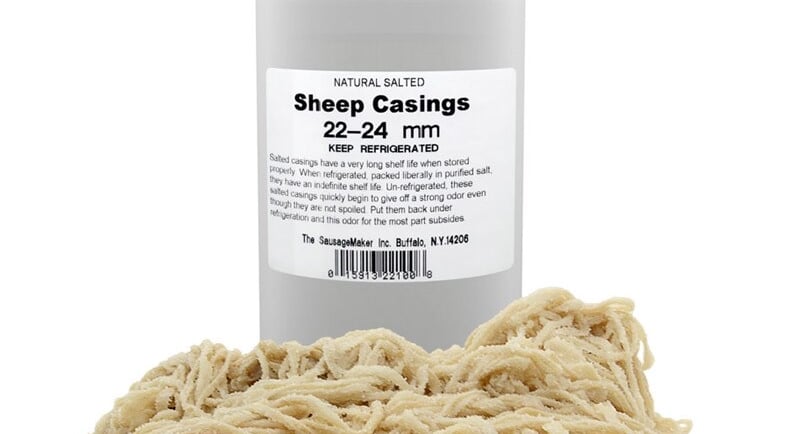
How to Import Natural Sheep Casings to USA (Step-by-Step Guide)
Importing natural sheep casings into the United States can be highly profitable—but it requires compliance with strict food safety and import regulations. This guide explains everything U.S. buyers, distributors, and meat processors need to know before importing.
1️⃣ Understand U.S. Regulatory Requirements
Natural sheep casings are considered animal-derived food products, so they fall under federal oversight.
Key authorities include:
United States Department of Agriculture (USDA)
Food Safety and Inspection Service (FSIS)
U.S. Customs and Border Protection (CBP)
What You’ll Need:
Approved exporting country status
Veterinary health certificate
Proper cleaning and salting process documentation
FDA facility registration (if applicable)
Always confirm that your supplier’s country is eligible to export natural casings to the USA.
2️⃣ Choose a Compliant Supplier
Your supplier must provide:
Fully cleaned & salted sheep casings
Caliber grading (18/20, 20/22, etc.)
Hygienic processing documentation
Halal certificate (if required by your market)
Export health certificate
Ask for:
Product specifications
Salt percentage
Bundle length per hank
AB mix or selected quality
Consistency is critical for U.S. sausage manufacturers.
3️⃣ Product Preparation & Packing Standards
Natural sheep casings are typically:
Salt-packed in hanks
Vacuum sealed (optional)
Packed in food-grade plastic barrels or boxes
Labeling must include:
Product description
Net weight
Country of origin
Production date
Exporter details
Improper labeling may cause delays at U.S. ports.
4️⃣ Import Documentation Checklist
To clear U.S. customs, importers usually need:
Commercial invoice
Packing list
Bill of lading
Veterinary health certificate
Import permit (if required)
Prior notice filing
Your customs broker will handle most documentation submission to CBP.
5️⃣ Work With a U.S. Customs Broker
A licensed customs broker helps with:
Filing entry documents
Duty classification
USDA inspection coordination
Avoiding port delays
This is strongly recommended for first-time importers.
6️⃣ USDA Inspection at Port of Entry
Upon arrival, shipments may be inspected by FSIS.
They may check:
Cleanliness
Odor
Salt condition
Proper documentation
Disease compliance
If approved → Shipment released
If not compliant → Possible rejection or destruction
Quality control before shipping is essential.
7️⃣ Import Duties & Costs
Costs include:
Product cost
Freight (air or sea)
Insurance
Customs broker fees
Import duties (if applicable)
USDA inspection fees
Sea freight is more economical for bulk shipments.
8️⃣ Storage After Import
Once cleared:
Store at 2–8°C
Keep fully salted
Avoid moisture contamination
Maintain inventory rotation (FIFO)
Proper storage ensures long shelf life and preserves casing strength.
Common Challenges & How to Avoid Them
❌ Incomplete documentation
✔ Work with experienced exporter
❌ Inconsistent caliber
✔ Request pre-shipment inspection
❌ Odor issues
✔ Ensure proper cleaning and salting
❌ Port delays
✔ Use professional customs broker
Why the USA Market Is Attractive
The U.S. sausage industry is large and continuously growing. Companies such as:
Johnsonville
Tyson Foods
use natural casings for premium product lines.
Demand is strong for:
18/20 sheep casings
20/22 sheep casings
AB mix quality
Halal-compliant supply
Final Thoughts
Importing natural sheep casings into the USA requires:
Regulatory compliance
High product quality
Proper documentation
Reliable logistics
When done correctly, it creates long-term supply opportunities with U.S. meat processors, wholesalers, and private label brands.
info@aquabcasing.com
+923057608848
88/51C , Street 15 Usmanabad, Multan Pakistan
All Right Reserved by Aquab Casing @ 2023
Contact Us!